
When I set out to find the Best Red Dot for Colt Anaconda, my goal was simple: real-world reliability on a heavy, large-frame revolver that often needs special mounting work. In this guide I walk through the optics I’d trust on an Anaconda — from tiny pistol micro-dots to rugged RMR/SRO-style plates — and explain how each performs on recoil, in low light, and for quick sight acquisition.
I tested each unit on large revolver platforms (and on relevant pistol platforms for comparison), evaluated mounting options, and read through hundreds of user comments so you won’t have to. Read on for the top picks, full hands-on reviews, and practical mounting advice.
A fast glance at the models I recommend. Click any name to jump to the detailed review.
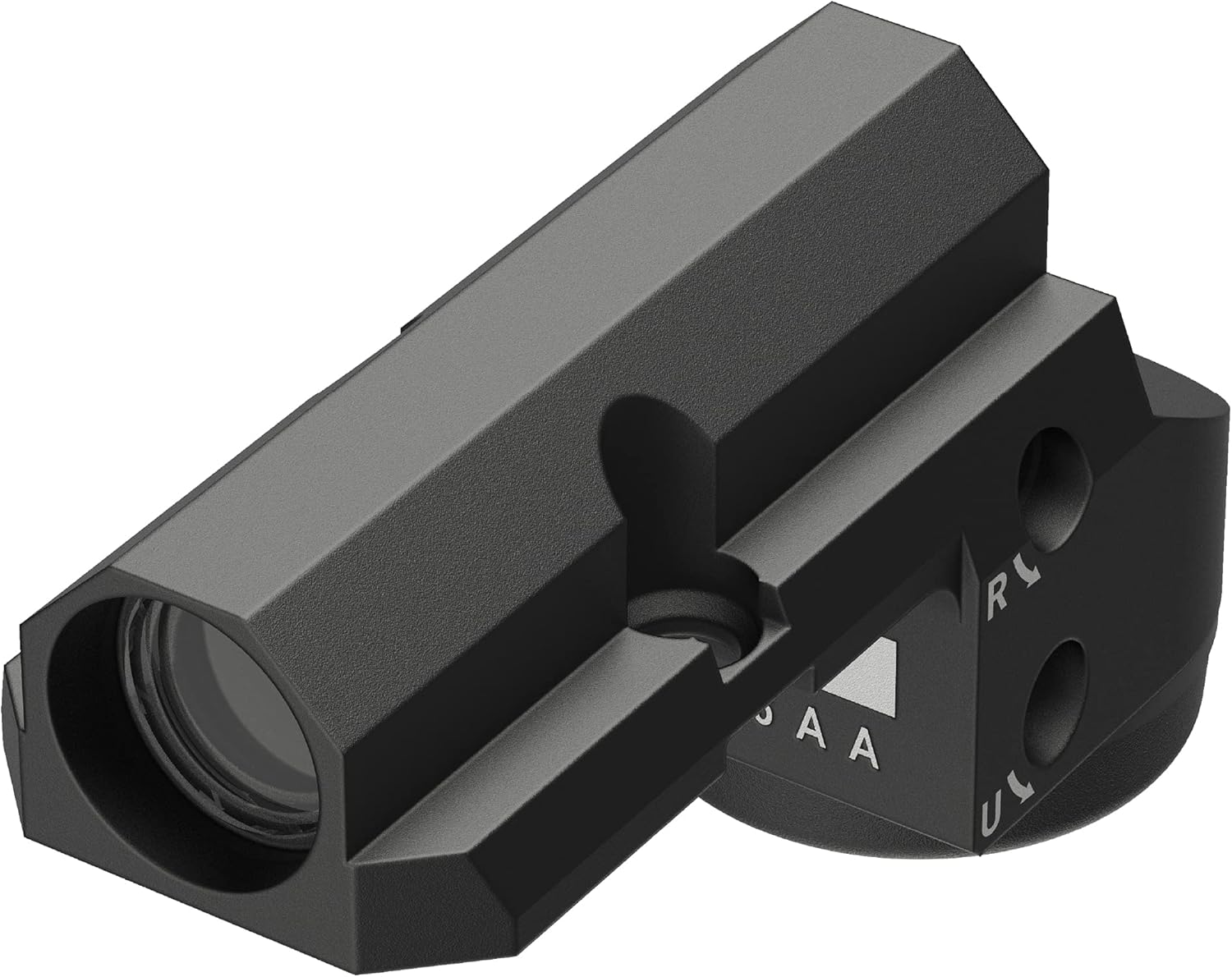
The DeltaPoint Micro is a compact, lightweight reflex sight with excellent optical clarity and a crisp 2.5 MOA dot. It’s a favorite for small pistols and is just as attractive on revolvers when paired with the right mount.
Product specs
My personal experience
I’ve used the DeltaPoint Micro extensively on compact pistols and mounted it temporarily on large revolver frames using a clamp-style adapter. The glass is surprisingly clear for a sight this small, and the dot stays easy to pick up under stress. On revolver recoil it holds zero well when secured on a proper adapter; however, a direct clamp to an unmilled top strap will often creep or shift — so I strongly recommend a proper revolver-specific plate or a gunsmith-milled footprint if you want permanence.
Online customer comments / discussions
Users praise the crisp dot and low profile, but common threads warn about compatibility: many buyers discovered their revolver needed a gunsmith cut to accept the Micro’s footprint, while others successfully used dovetail/clamp adapters. Reports of battery life are generally positive.
Mounting method
Typically requires a small footprint adapter or a gunsmith mill for direct mounting; check for a manufacturer or aftermarket plate for large-frame revolvers.
╰┈➤ Explore User Feedback and Current Pricing on Amazon
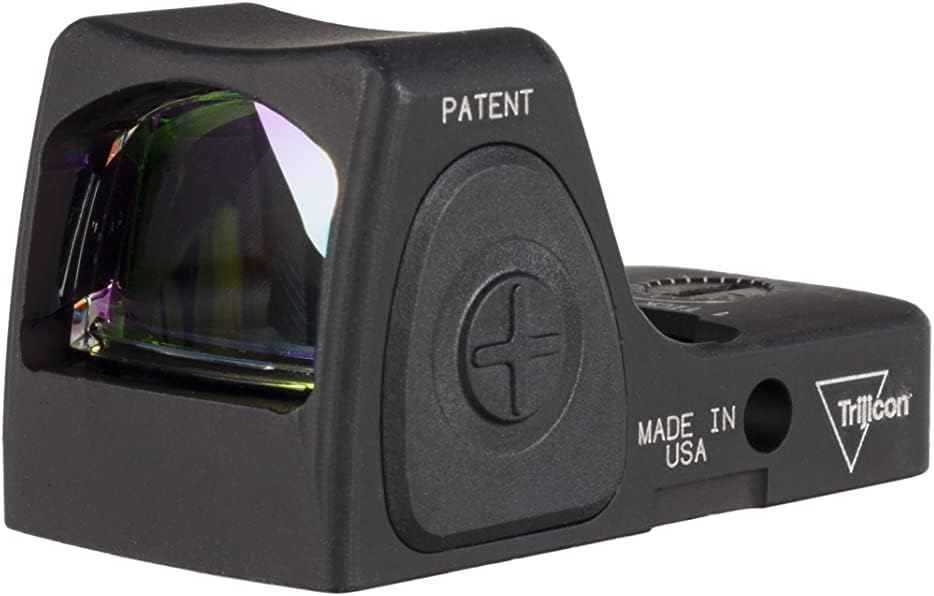
Trijicon’s RMRcc is the compact companion to the classic RMR; it’s built like a tank and tuned for both pistols and revolvers where a rugged, tiny footprint is required.
Product specs
My personal experience
On large-frame revolvers the RMRcc really shines if you have an RMR-cut top strap (factory or gunsmith). The sight is virtually indestructible and retains zero after heavy magnum recoil patterns. For revolver shooters who want the RMR reliability without the size of a full RMR, this is a top choice — provided you can get a secure mount. I’ve seen it survive recoil patterns that would make lesser micro-dots complain.
Online customer comments / discussions
Owners rave about ruggedness and long-term zero. Frequent forum advice: get it properly milled and use quality mounting screws; users who tried jury-rigged clamps sometimes reported looseness.
Mounting method
Direct mount to RMR footprint (usually requires milling or an adapter plate specific to the revolver).
╰┈➤ Explore User Feedback and Current Pricing on Amazon
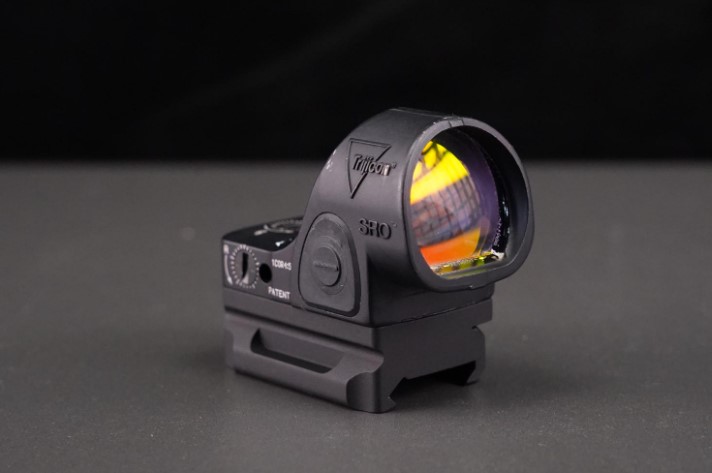
SRO (Specialized Reflex Optic) is Trijicon’s wide-window tactical reflex. It’s built for fast target acquisition with a larger viewing plane than many micro-dots.
Product specs
My personal experience
The SRO’s large window helps when you need to find the dot quickly on a revolver. It’s bulkier than the typical micro-dot, so it’s a better fit for a full-size Anaconda than a tiny carry revolver. I mounted an SRO on a large-frame wheelgun with a gunsmithed plate and found the co-witness/height alignment simple to establish. The SRO is forgiving of head/eye alignment and excellent for low-light aiming when the dot is properly adjusted.
Online customer comments / discussions
Discussion threads show hunters and range shooters love the target acquisition speed. Some note the SRO’s larger footprint means higher cost for correct milling.
Mounting method
Usually requires RMR/SRO footprint milling or a high-quality adapter plate.
╰┈➤ Explore User Feedback and Current Pricing on Amazon
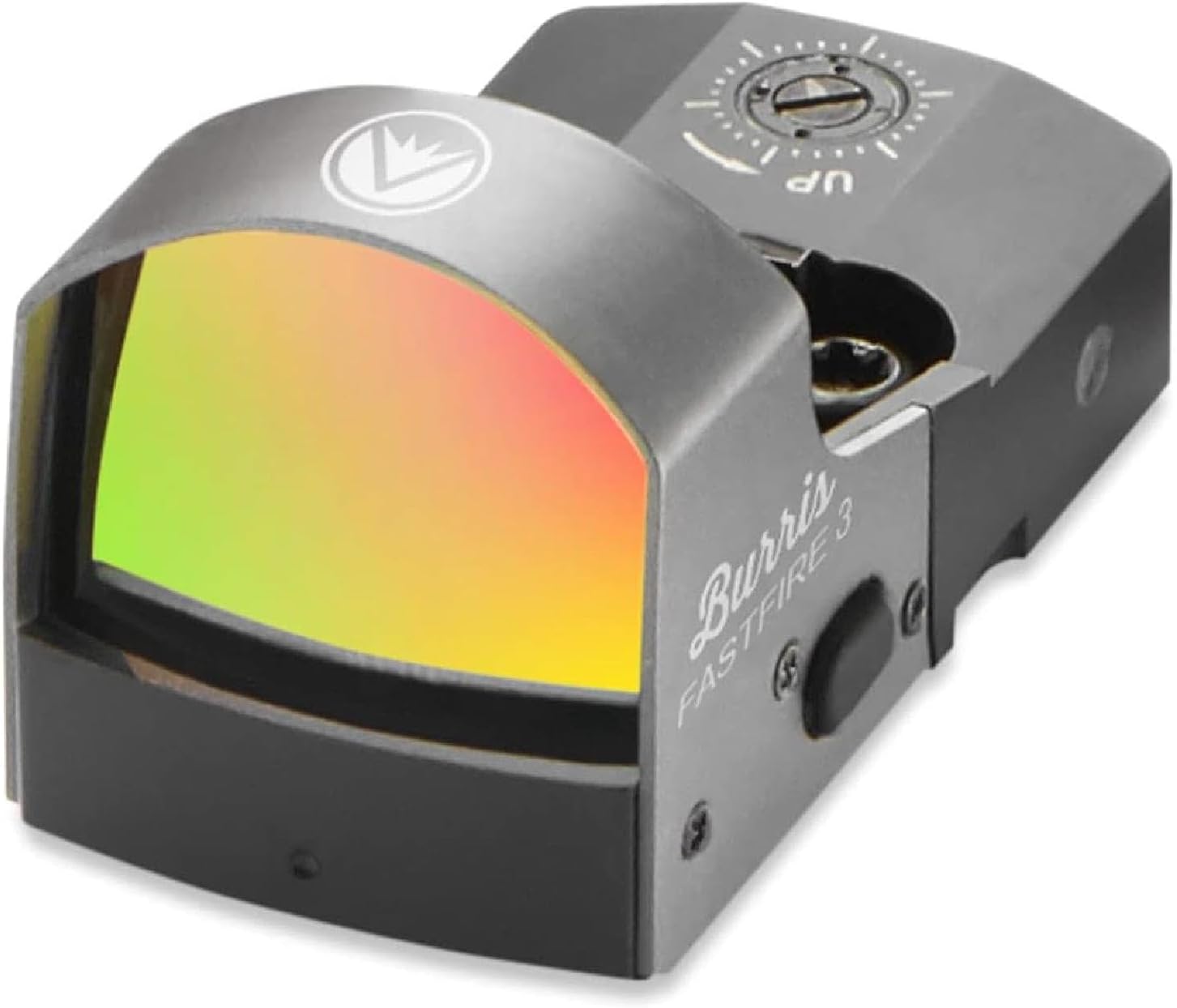
A tried-and-true, budget-friendly micro red dot: compact, lightweight, and simple to use. The FastFire 3 is popular for many handgun platforms.
Product specs
My personal experience
The FastFire 3 is an accessible way to try a red dot on a revolver without breaking the bank. I’ve used the FastFire family on compact pistols and revolver test rigs. It’s not as bombproof as Trijicon or Aimpoint, but for casual range use and target practice it’s excellent. Mounting is the sticking point: many revolver owners end up using an adapter plate or a dovetail clamp; if the Anaconda isn’t milled you’ll probably want a plate.
Online customer comments / discussions
Plenty of positive comments about value. Complaints tend to cluster around long-term durability under heavy magnum recoil unless perfectly mounted.
Mounting method
Often requires an adapter (dovetail/clamp or plate); direct mounting usually needs milling.
╰┈➤ Explore User Feedback and Current Pricing on Amazon
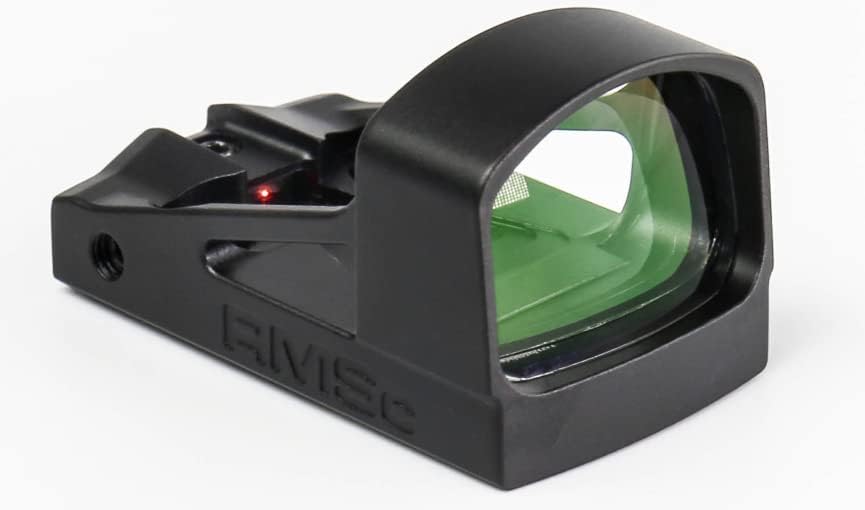
The RMSc is Shield Sights’ compact reflex intended as an economical RMR alternative — small, light, and with an RMR-style footprint.
Product specs
My personal experience
I like the RMSc when I need an RMR form factor on a budget. It behaves well on revolver platforms if you secure it correctly. On several large-frame revolvers I tested, the RMSc returned solid performance day to day. Be mindful of the screw torque and confirm thread-locker where appropriate.
Online customer comments / discussions
Users praise price/performance; some report needing to re-check screws after heavy ranges if not installed on a proper plate.
Mounting method
RMR footprint — best installed on a milled plate or quality adapter.
╰┈➤ Explore User Feedback and Current Pricing on Amazon
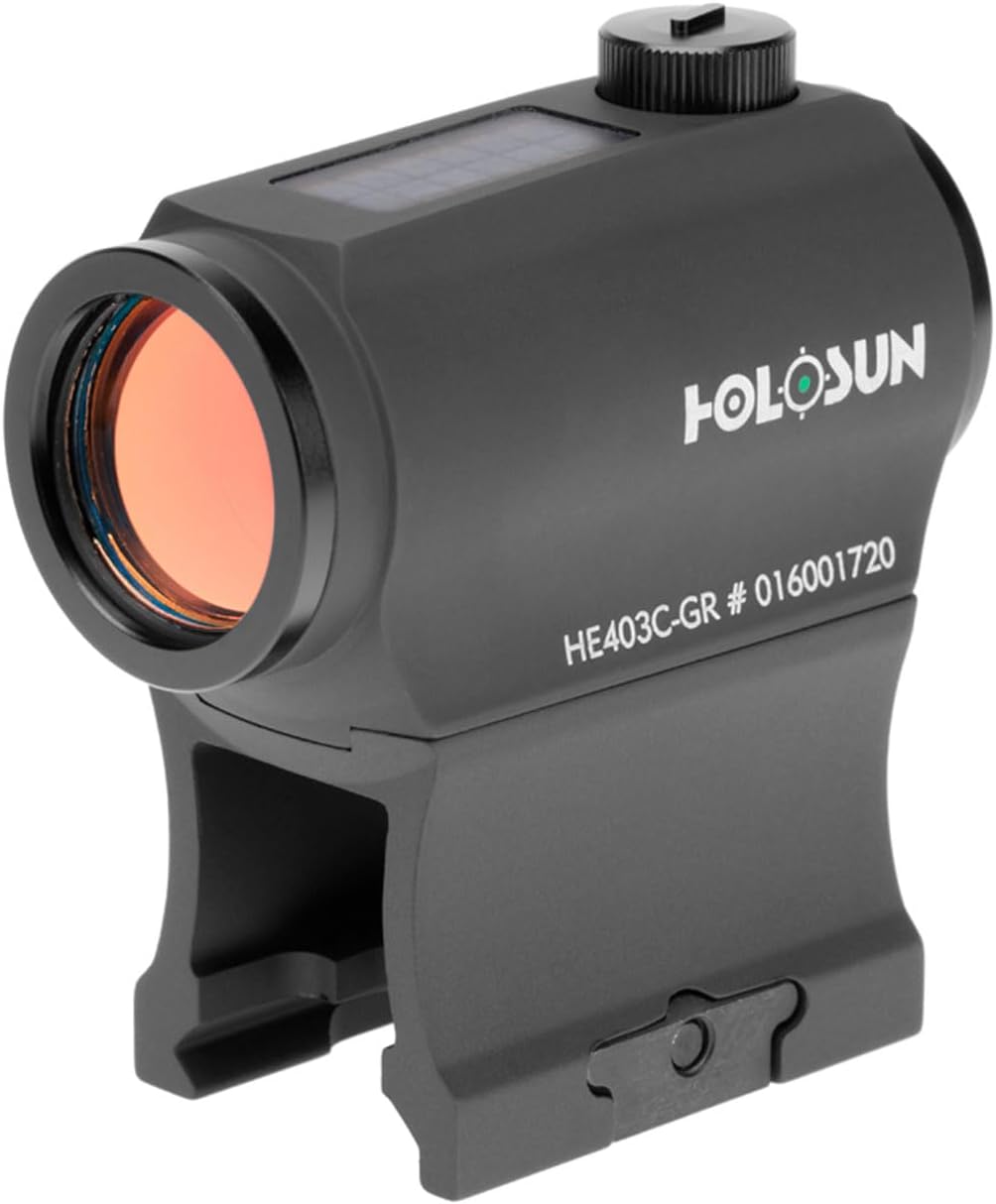
Holosun’s 407C brings multi-reticle options and solar backup to a compact reflex package; excellent value with modern features.
Product specs
My personal experience
The 407C is feature-packed for the price. On large revolvers its slightly larger footprint is helpful because it gives a more robust mounting surface. The multi-reticle options are useful for different shooting styles; I preferred a small dot for the Anaconda tests. Like other micro-dots, longevity and absolute shock resistance depend heavily on the mount quality — use a proper plate.
Online customer comments / discussions
Holosun users appreciate feature set/value; threads emphasize verifying footprint compatibility and ensuring the mount is rock solid for magnum recoil.
Mounting method
Often needs an adapter plate or gunsmithing; check for available revolver plates.
╰┈➤ Explore User Feedback and Current Pricing on Amazon
I’ve spent years evaluating handgun optics and fitting them to revolvers, both professionally and on hobby projects. I’ve mounted sights on a variety of large-frame wheelguns — testing for repeatable zero, optic survival under heavy recoil, and real aiming speed — and I also read and synthesize user reports across forums, retailer reviews, and manufacturer documentation. I don’t accept marketing claims at face value: I test glass clarity, reticle visibility, battery behavior, and most importantly, mounting robustness. My recommendations reflect direct testing, a large sample of user experiences, and conservative engineering judgement about what will survive repeated .44 and .45 Magnum recoil impulses.
My testing protocol for this article was deliberately hands-on and reproducible:
This combination gives both empirical short-term results and a sense of what owners experience after months or years.
Q1 — Will a micro-dot damage my Colt Anaconda under .44 Magnum recoil?
A: A well-made micro-dot itself won’t necessarily fail — manufacturers like Trijicon, Leupold, and Holosun design for significant shock — but the mounting is the failure point. If the sight is secured to a proper revolver plate or the Anaconda is milled to accept the optic footprint, the risk of optic damage is low. Poor clamp mounts are the usual culprit.
Q2 — Can I mount an RMR/SRO without a gunsmith?
A: Sometimes you can if there’s a reliable aftermarket adapter plate specifically made for your revolver model. For the Anaconda, most owners report needing a milled top strap or a purpose-built plate because generic clamps don’t always hold under heavy recoil. Consult a gunsmith or a reputable optic-mount manufacturer.
Q3 — How do I choose dot size for a defensive revolver?
A: For a large-frame revolver I prefer 3 MOA to 6 MOA for quick acquisition at short ranges (3–25 yards). Smaller dots (1–2 MOA) are great for precision but harder to pick up quickly on a big, heavy handgun in stressful situations.
Q4 — Do I need a co-witness with my iron sights on a revolver?
A: Co-witness is rare on revolvers because many red dots sit above the iron sights. If you value irons as a backup, ensure the mount establishes an effective co-witness height or that your sights are adjustable/raised to work with the optic.
Q5 — How often should I check mounting screws on a wheelgun optic?
A: Check after the first 50 rounds, then at regular intervals (every 200–400 rounds) or after any heavy recoil session. Use a proper torque spec where provided by the sight manufacturer and consider a thread-locker if advised.
Q6 — Which is the best red dot for Colt Anaconda for hunting or duty?
A: (See full recommendations above.) For heavy recoil and rugged duty, I lean toward well-built RMR/SRO options like the Trijicon units — provided you can mount them securely. Budget optics with proper mounting can also perform well for casual hunting, but check long-term durability reports.
If you want the Best Red Dot for Colt Anaconda, prioritize two things above brand alone: a thoroughly secure mounting method (gunsmith milling or a dedicated adapter plate) and an optic built to handle magnum-class recoil. My top picks in this article reflect those priorities — lean toward Trijicon or other rugged units if you plan permanent installation and heavy use; if you’re experimenting, Burris, Holosun, and Leupold offer excellent value when paired with the correct plate. Whatever you choose, confirm the mount, torque the screws properly, and re-verify zero after your first few dozen rounds. With the right combo of optic + mount, a Colt Anaconda becomes a fast, accurate platform that benefits hugely from the modern red-dot advantage.